Why I Created Monster Sessions: “The Art of Music is Dying, I’m Preserving It.”
Lack of Value, Respect, Passion, Purpose & Etiquette
Do you guys remember years ago, when they had etiquette schools? I remember seeing them on TV and in movies. I personally never seen an etiquette growing up in the environment I grew up in, in LA, but I remember seeing them in upper-class environments.
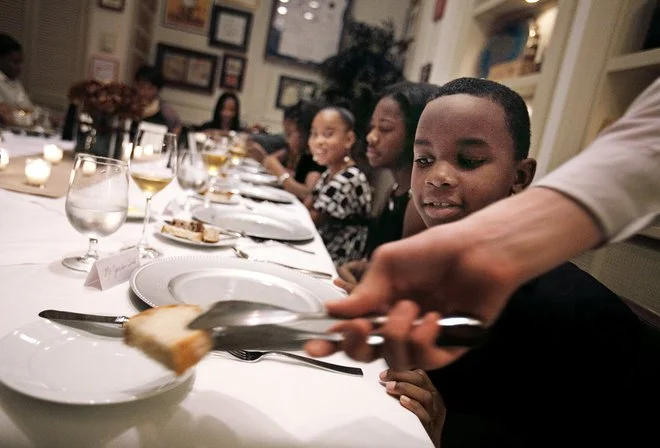
Young people would spend hours learning how to communicate, conduct themselves professionally, respect others, carry conversations, dress appropriately, and navigate social situations with confidence. Many of these lessons were taught by older mentors who believed that character, discipline, and respect were skills that should be intentionally developed.
Today, most of those schools are gone.
At first glance, that may not seem like a big deal. After all, we live in a more modern world now. We have technology, social media, smartphones, and unlimited access to information.
Yet if we’re honest, many of the qualities those schools were designed to teach have become increasingly rare, if not lost completely, ESPECIALLY in Music:
Respect.
Patience.
Professionalism.
Attention to detail.
The ability to listen.
The ability to communicate face-to-face.
The ability to collaborate with people who think differently than you.
Ironically, many of the things society dismissed as old-fashioned are now some of the qualities people struggle to find, and ironically, people who neglected a lot of these qualities often say how they wished they appreciated them more today.
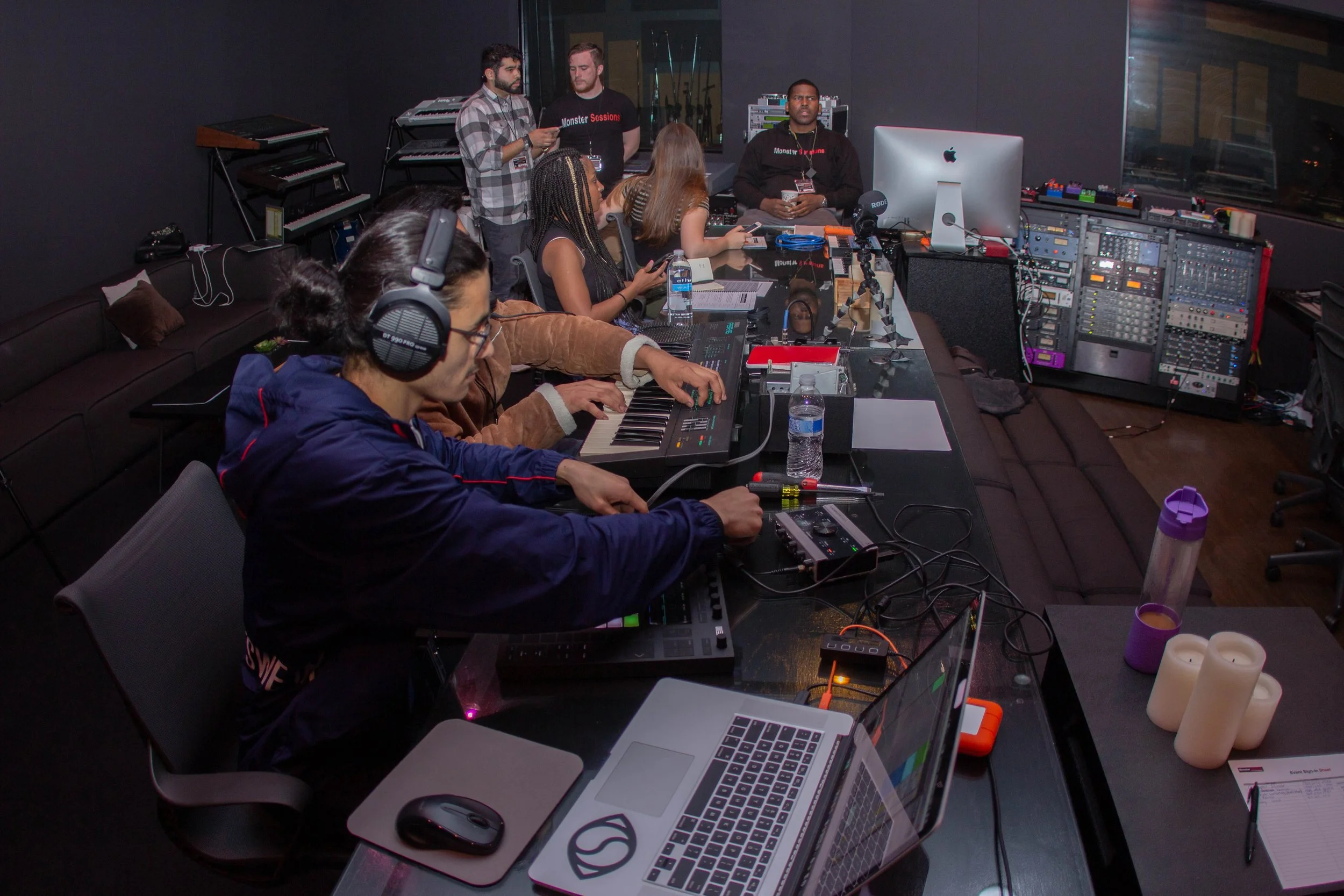
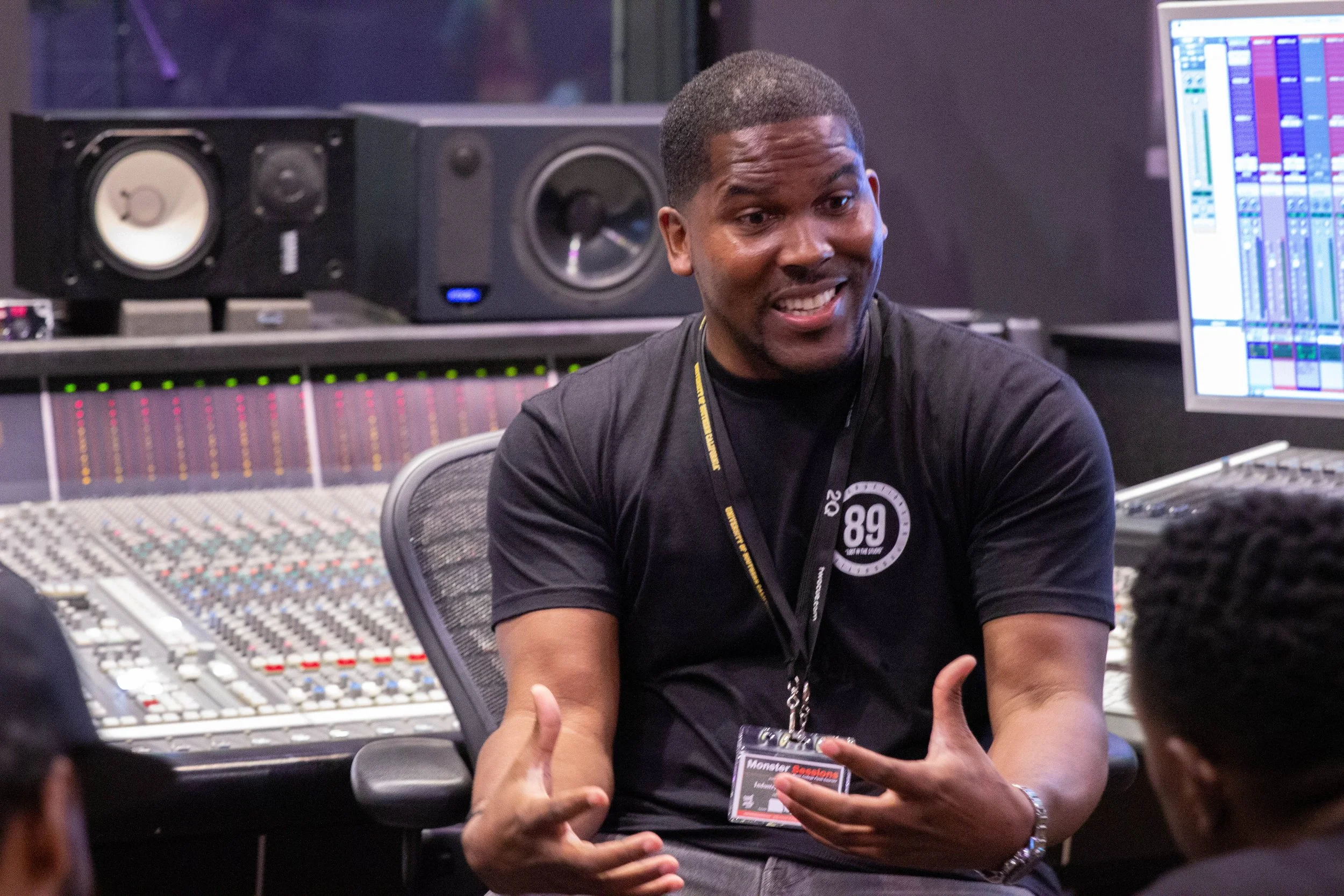
I care deeply about music, and when I started Monster Sessions, I realized that my whole purpose behind this platform was to keep a lot of the dying qualities in our society alive, and connecting them to music because they are important.
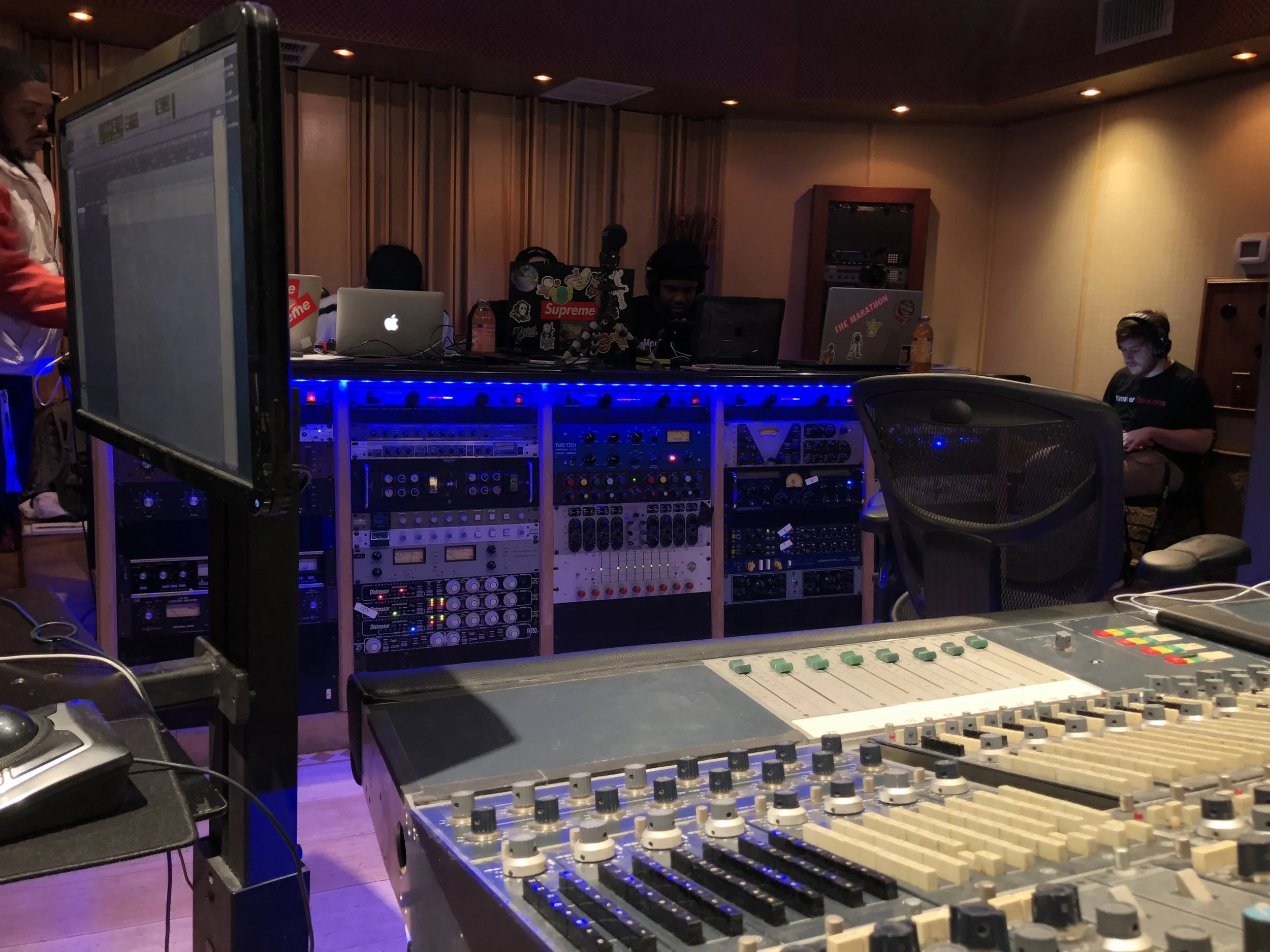
There was a time when becoming a music producer, artist, songwriter, or engineer required more than downloading software or spending a couple thousand dollars on a few pieces of gear.
We had mentors. We spent time in real recording studios. We observed professionals. We spent hours, months, years watching before we got the chance to try and apply ourselves. We developed relationships over time.
Me personally, I learned studio etiquette. I knew what to do, and what to never do in studios and in certain music scenarios, and by me knowing a lot how to properly navigate in music circles, it created music opportunities I didn’t even know were possible for me.
I learned how to work with others.
I learned how to receive criticism.
I learned patience.
I learned that music was a craft.
Many of those experiences acted as filters and gave me value and appreciation for what I was participating in.
Music Today
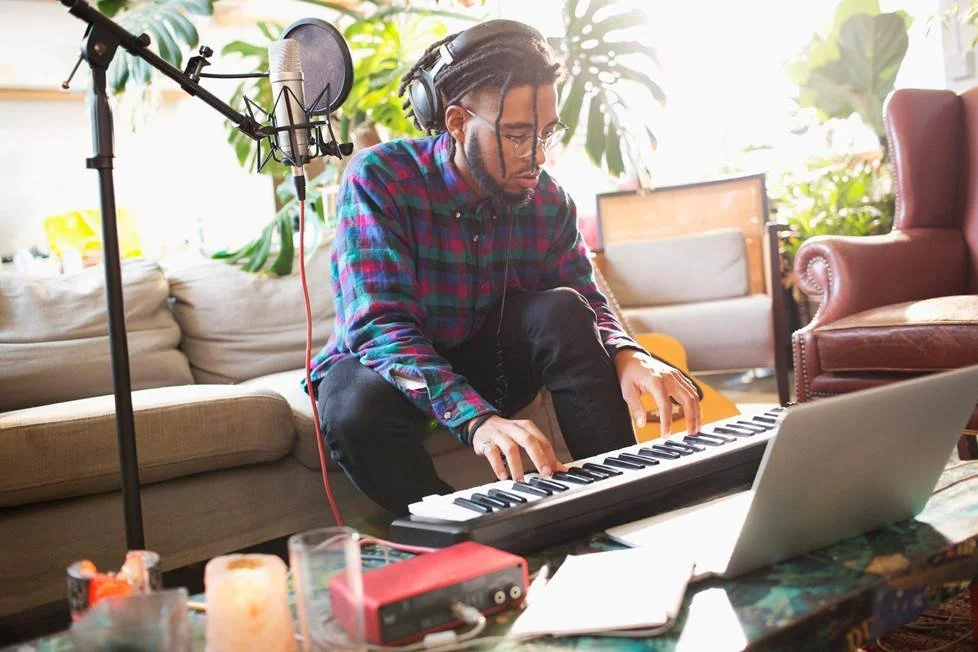
“Mostly every producer today has only bedroom, home studio experience, so once they step out of their comfort bubble, they’re completely lost on everything else.”
As technology made music creation more accessible, many of those systems disappeared.
The barriers to entry disappeared.
But unfortunately, many of the opportunities for mentorship disappeared as well.
Today, someone can spend years making music without ever sitting in a room with another creative person. Without ever collaborating. Without ever learning how professional sessions operate. Without ever understanding the culture that built the industry they hope to succeed in.
The Value in Music AND the Process of Music Has Lots Its Value.
As technology made music creation more accessible, many of those systems disappeared.
The barriers to entry disappeared.
But unfortunately, many of the opportunities for mentorship disappeared as well.
Today, someone can spend years making music without ever sitting in a room with another creative person. Without ever collaborating. Without ever learning how professional sessions operate. Without ever understanding the culture that built the industry they hope to succeed in.
For years, the music community celebrated convenience above all else.
I witnessed this happening first hand, when I started working at Guitar Center when I turned 19 years old. I saw a lot of younger creatives looking to bypass the process I knew of saving up for professional gear and settling for software, and anything that could help them succeed faster & cheaper.
Today it’s: Cheaper monitors. No hardware. Fast beats. Fast content. Fast uploads. Fast growth. Fast success.
The process became less important than the outcome.
The relationships became less important than the algorithms.
In many ways, music became disposable because the process behind it became disposable.
When people stop valuing the process, they eventually stop valuing the outcome.
And when enough people stop valuing the outcome, the market responds accordingly. The value of music declines.
The Irony Of Music Creatives Getting Older
The same producer who once believed relationships didn’t matter eventually realizes relationships are everything.
The same music artist who dismissed networking eventually realizes community matters.
The same person who believed they could learn everything online eventually discovers the value of being in the room. They also understand the value of:
Mentorship.
Integrity.
Care.
Intention.
Respect.
Community.
Communication.
Collaboration.
Structure.
Accountability.
In-person experience.
Professional standards.
The challenge is that by the time they realize their importance, many of those environments no longer exist. And when they do exist, they often come at a significant cost.
“This Is Exactly Why I Created Monster Sessions 10 Years Ago.”
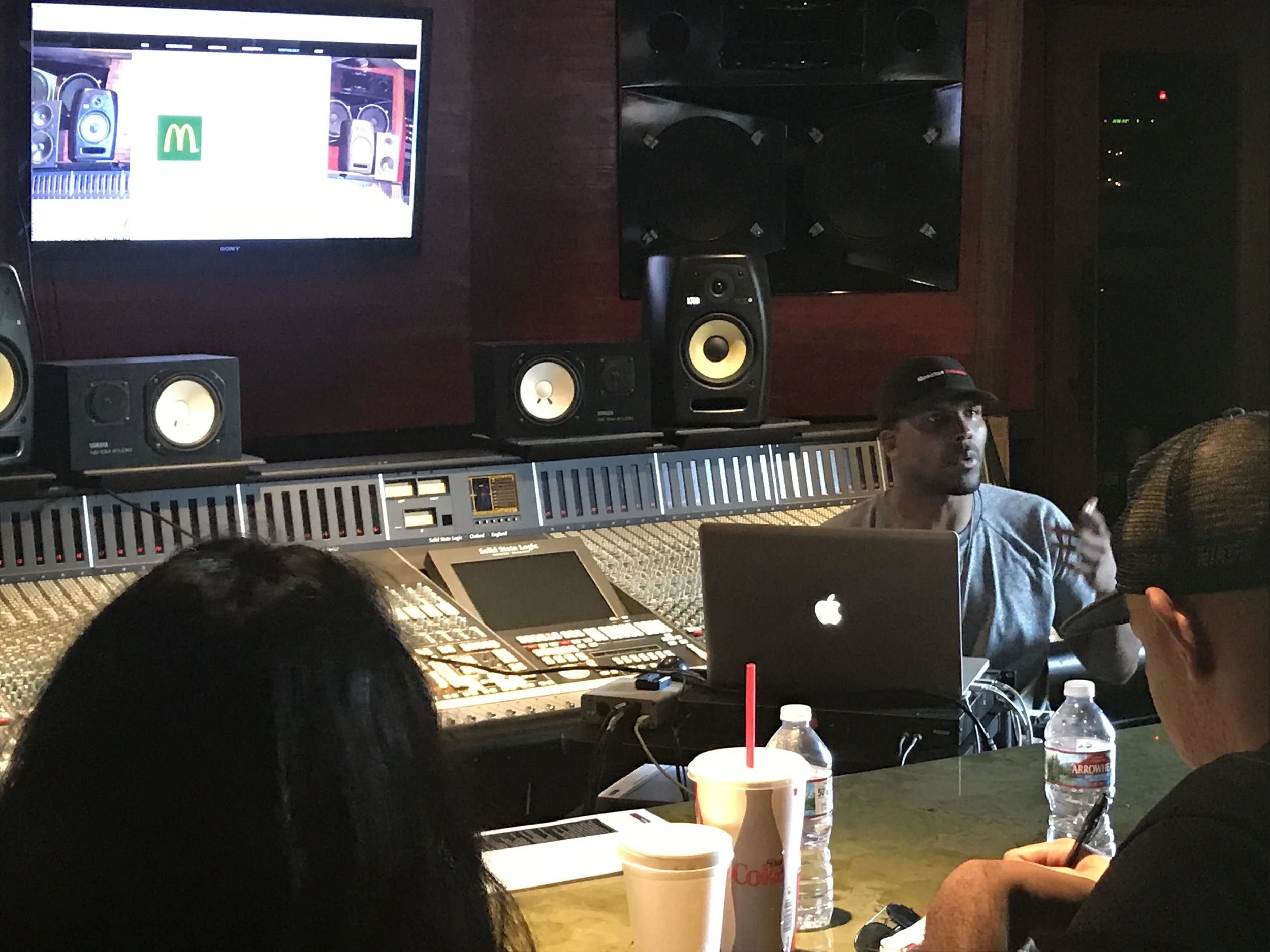
My mission has always been to preserve and pass on the things that are quietly disappearing from music culture, the values I listed above as well as:
How to represent professional.
How to respect the art of Music, so it translates into opportunity.
How being disciplined will translate into success for you.
How to properly collaborate with your peers.
How to properly communicate and being able to separate your mind from your heart.
Critical thinking in critical moments.
Having creative confidence.
The ability to work with others.
The ability to contribute to something larger than yourself.